
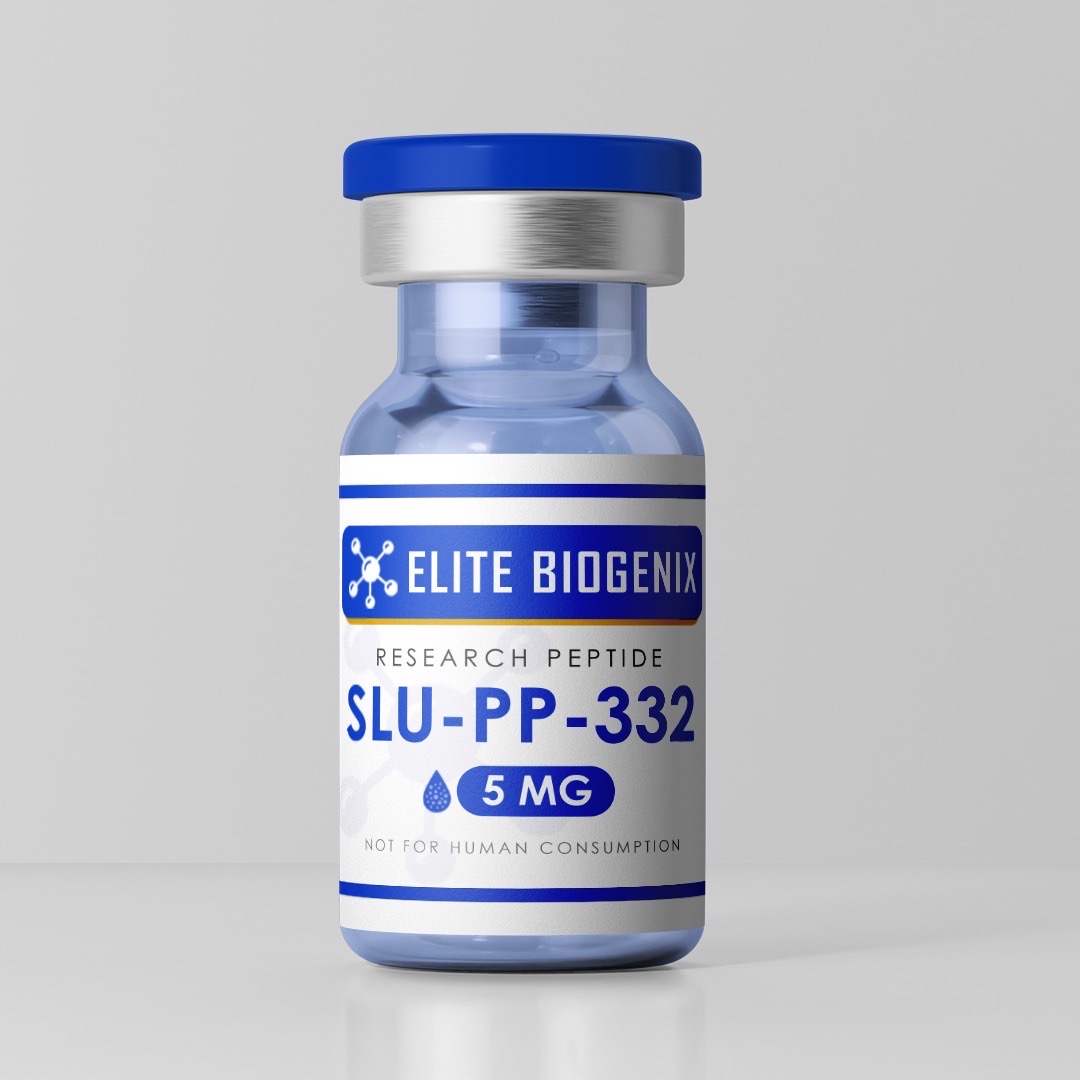
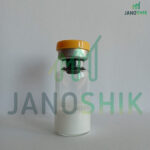

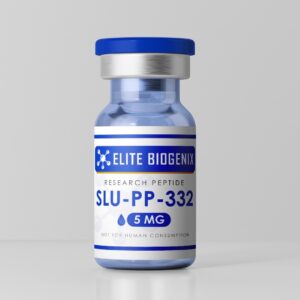
SLU-PP-332 5mg With/Without DMSO 60ml
Price range: $95.99 through $109.99
SLU-PP-332 – Potent ERRα Agonist for Metabolic & Performance Research
1 SLU-PP-332 5mg
1 DMSO Solution 60ml
SLU-PP-332 is a novel, selective Estrogen-Related Receptor Alpha (ERRα) agonist that directly enhances mitochondrial biogenesis and energy expenditure. Ideal for studying:
✔ Metabolic disease & obesity mechanisms
✔ Exercise endurance & muscle remodeling
✔ Neuroprotection & cognitive function
✔ Cellular energy & anti-aging pathways
Reconstitution Guidance: SLU-PP-332 is typically soluble in DMSO for creating a concentrated stock solution (e.g., 10-50 mM), which can then be further diluted in saline or cell culture media for final dosing. The final concentration of DMSO in any in vitro or in vivo application should not exceed 1% to avoid cytotoxicity.
Key Features:
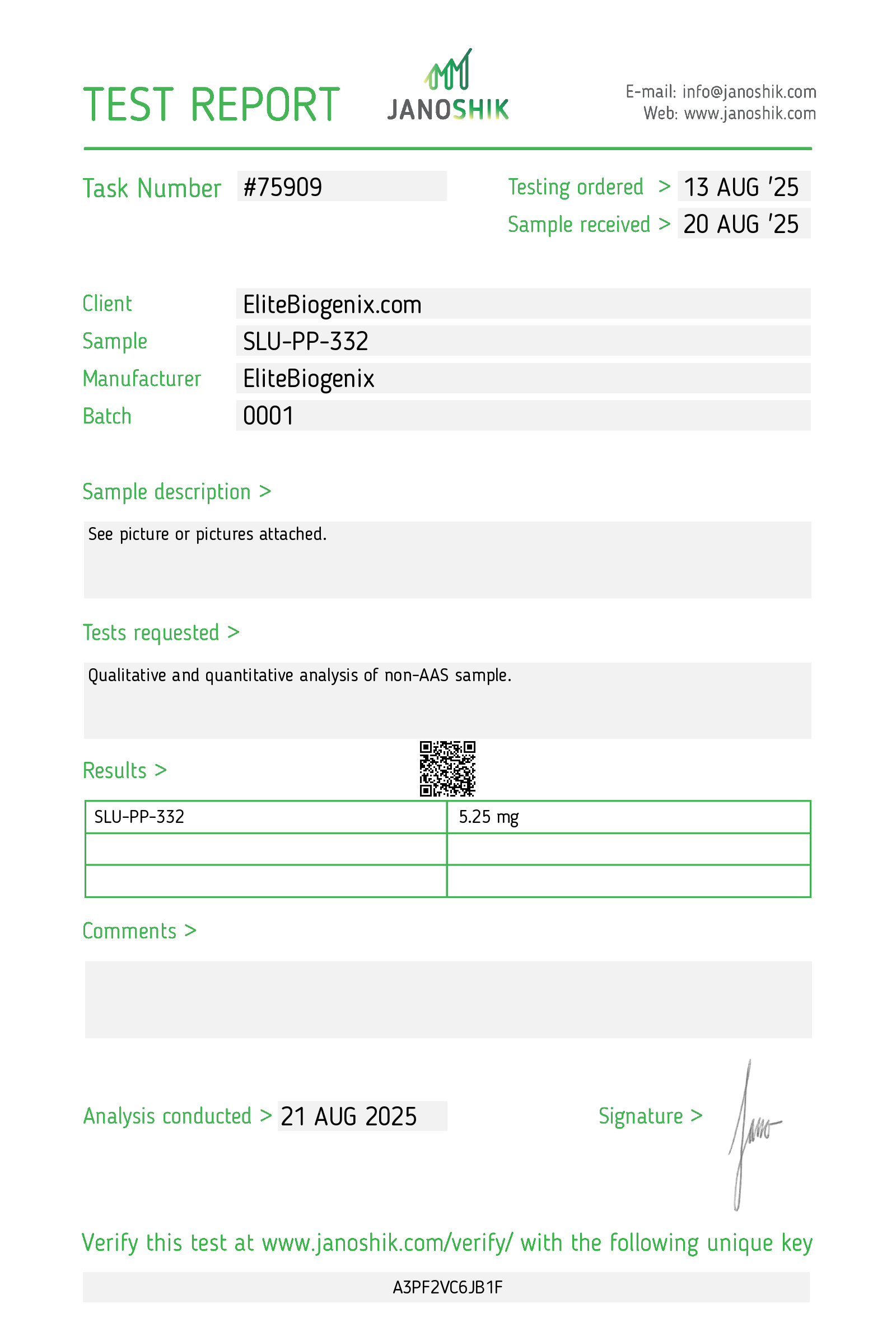
≥98% HPLC/MS verified purity
Direct ERRα targeting for precise research
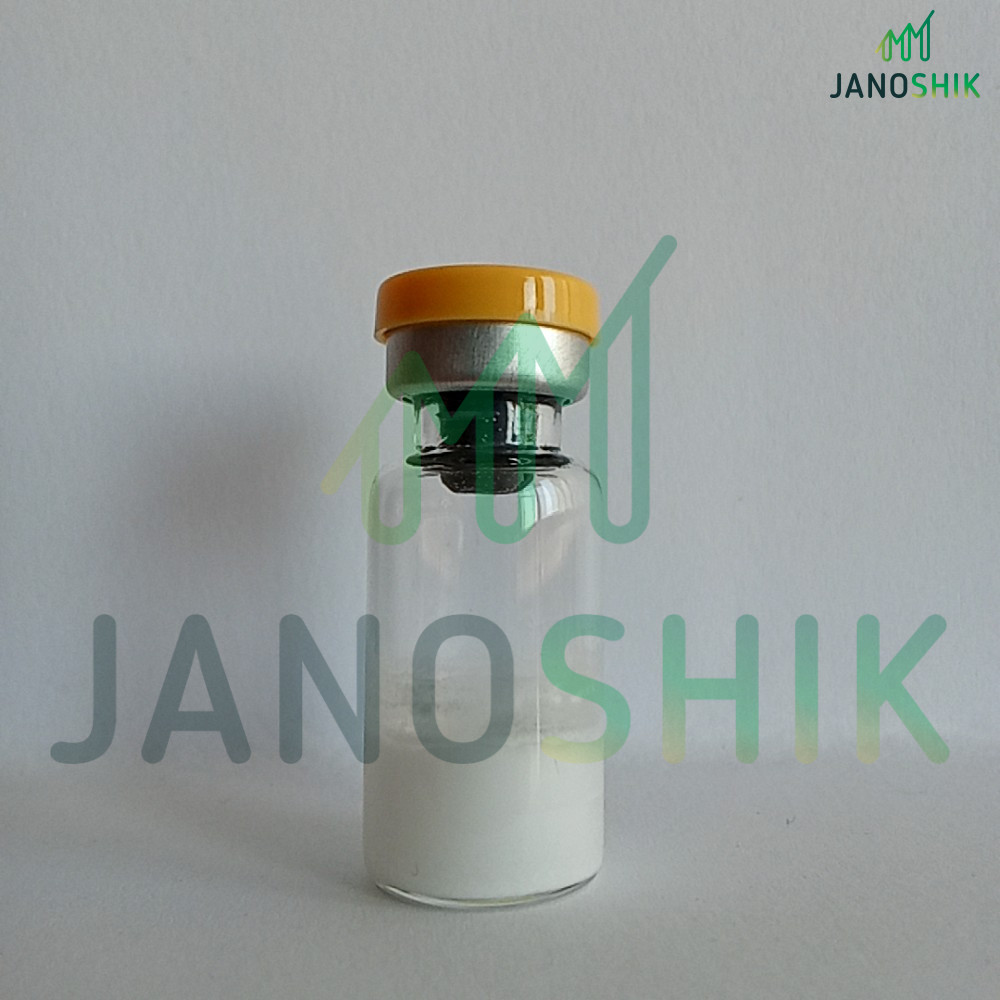
Lyophilized powder for optimal stability
Research use only (not for human/veterinary use)
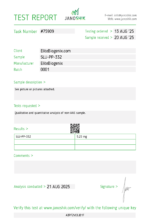
HPLC Test Results: https://janoshik.com/tests/75909-SLUPP332_A3PF2VC6JB1F
Order now at EliteBiogenix.com for premium research compounds!
Disclaimer: This product is for laboratory research purposes only. Not for human or animal consumption.
| select | With DMSO, Without DMSO |
|---|
Description
SLU-PP-332 – Premium Research Compound for Metabolic & Endurance Studies (ERRα Agonist)
The SLU-PP-332 5mg With/Without DMSO 60mlERRα agonist research compound for metabolic studies is a potent and selective tool for investigating cellular energy and mitochondrial biogenesis. Because this novel small molecule directly activates the Estrogen-Related Receptor Alpha (ERRα), it functions as a master transcriptional regulator. Furthermore, researchers utilize this compound to explore pathways involving energy expenditure and adaptive thermogenesis in advanced laboratory models.
Mechanism of Action: Targeting the Master Metabolic Regulator
The profound effects of the SLU-PP-332 ERRα agonist research compound for metabolic studies are mediated through its highly specific interaction with nuclear receptors. By “switching on” ERRα, the compound triggers several critical downstream effects:
-
Transcriptional Activation: It binds to response elements to upregulate PGC-1α, the master regulator of mitochondrial creation.
-
Mitochondrial Biogenesis: The compound forces a robust increase in the density and oxidative capacity of existing mitochondria.
-
Substrate Utilization: It promotes a metabolic preference for fatty acids. Consequently, this helps researchers study glucose sparing and improved insulin sensitivity.
Key Research Applications
When scientists apply the SLU-PP-332 ERRα agonist research compound for metabolic studies, they observe striking results across various preclinical domains. Specifically, evidence-based studies highlight the following:
-
Metabolic Disease & Obesity: Treatment in diet-induced obese models reveals marked improvements in glucose tolerance. Moreover, it promotes fat mass reduction without decreasing caloric intake.
-
Exercise Performance: Rodents exhibit a staggering increase in running endurance, often exceeding 70% longer than control groups. This occurs because the compound transforms skeletal muscle into a fatigue-resistant phenotype.
-
Neuroprotection: Since neurons are highly energy-dependent, SLU-PP-332 provides the necessary ATP to maintain synaptic function and resilience against oxidative stress.
Recommended Research Dosages & Protocols
To achieve consistent experimental results, you must follow established guidelines for the SLU-PP-332 ERRα agonist research compound for metabolic studies. The table below outlines standard laboratory protocols:
| Research Model | Suggested Dosage | Administration | Key Parameters |
| In Vitro | 0.1 – 5.0 µM | Dissolved in DMSO | OCR, Gene Expression |
| Mouse Models | 5 – 15 mg/kg | IP Injection/Gavage | Endurance, Glucose Tolerance |
| Rat Models | 3 – 10 mg/kg | IP Injection/Gavage | Muscle Fiber Typing |
Quality Assurance & Reconstitution
At EliteBiogenix, we provide high-purity SLU-PP-332 ERRα agonist research compound for metabolic studies ($\ge$98%) verified by HPLC. For proper handling, dissolve the lyophilized powder in DMSO to create a concentrated stock solution. Subsequently, you may dilute this in saline for final dosing. To maintain the highest stability, store the original vial at -20°C and protect it from light and moisture.
Reviews (0)
Shipping & Delivery
Related products
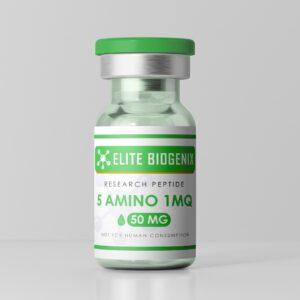
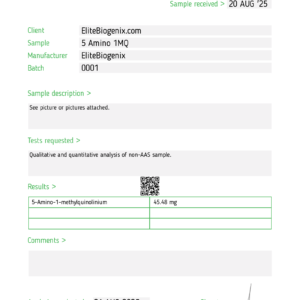
5-Amino-1MQ 20mg & 50mg
5-Amino-1MQ – NNMT Inhibitor for Metabolic & Longevity Research
5-Amino-1MQ is a potent, selective NNMT inhibitor that enhances NAD+ levels, promotes fat loss, and supports metabolic health in research models. Ideal for studying:
 Adipose tissue browning & thermogenesis
NAD+ restoration & anti-aging pathways
Mitochondrial function & energy metabolism
Cognitive enhancement & neuroprotection
Adipose tissue browning & thermogenesis
NAD+ restoration & anti-aging pathways
Mitochondrial function & energy metabolism
Cognitive enhancement & neuroprotection
Key Features:
-
≥98% HPLC-verified purity
-
Lyophilized powder for optimal stability
-
Research use only (not for human/veterinary use)
-
Third-party lab tested
Order now at EliteBiogenix.com for premium research compounds!
Disclaimer: This product is for laboratory research purposes only. Not for human or animal consumption.
COA 20mg: https://verify.janoshik.com/tests/93581-5_AMINO_1MQ_20mg_58MTERKCU99Y COA 50mg: https://janoshik.com/tests/75907-5_Amino_1MQ_I5BDQPU4XI9J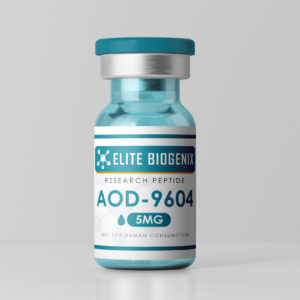
AOD-9604 5mg
AOD-9604 – 5mg
This high-purity synthetic peptide (Tyr-hGH 177-191) is a fragment of human growth hormone designed for metabolic and cartilage research. It is used in-vitro to study lipolysis, adipocyte function, and chondrocyte metabolism without the full mitogenic activity of hGH.
Primary Research Applications:
-
Adipocyte Lipolysis & Fat Metabolism Studies
-
Cartilage Formation & Chondrocyte Research
-
Metabolic Syndrome & Obesity Model Systems
-
Comparative Studies with Full-Length Growth Hormone
Intended for laboratory use only by qualified researchers. This product is strictly not for human or veterinary consumption.
Purity: ≥98% (HPLC Verified) Form: 5mg lyophilized powder Storage: Store at -20°C or below, desiccated and protected from light.
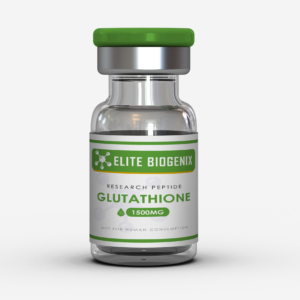
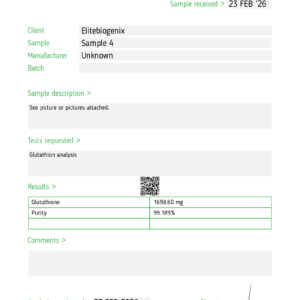
Glutathione 1500mg
This high-purity, reduced L-Glutathione (GSH) is the essential “master antioxidant” for cellular redox and detoxification studies. The 1500mg quantity is ideal for extensive in-vitro research on oxidative stress, liver toxicity models, and immune cell modulation.
Primary Research Applications:
-
Oxidative Stress & Free Radical Scavenging Assays
-
Cellular Detoxification & Hepatotoxicity Models
-
Glutathione Depletion & Redox State Studies
-
Immunomodulation & Inflammation Research
Intended for laboratory use only by qualified researchers. This product is strictly not for human or veterinary consumption.
Purity: ≥98% (HPLC Verified) Form: 1500mg lyophilized powder Storage: Store at -20°C or below, desiccated and protected from air/light.
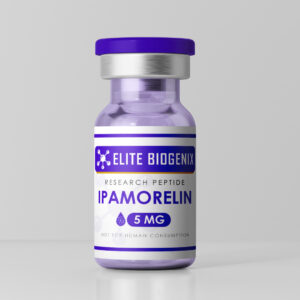
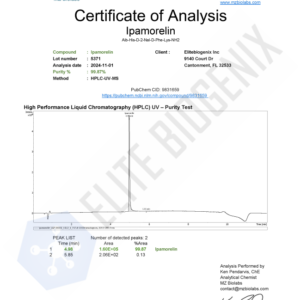
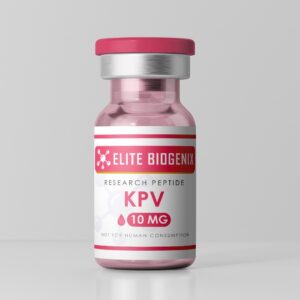
KPV 10mg
KPV (Lysine-Proline-Valine) – Premium Research Peptide for Anti-Inflammatory & Tissue Regeneration Studies
KPV is a bioactive tripeptide derived from α-MSH, renowned for its anti-inflammatory, immunomodulatory, and wound-healing properties. Ideal for scientific research in dermatology, gastroenterology, and neuroprotection, this high-purity (≥98%) peptide is rigorously tested via HPLC/MS for reliability.
Key Research Applications:
✔ Anti-inflammatory & autoimmune studies
✔ Skin regeneration & wound healing models
✔ Gut barrier integrity & colitis research
✔ Neuroprotective & anti-aging mechanisms
Disclaimer: This product is for laboratory research only. Not for human or veterinary use. By purchasing, you confirm compliance with all applicable regulations.
HPLC Test Results: https://janoshik.com/tests/75906-KPV_6AQWXXVZULS3
Order now at EliteBiogenix.com for premium research peptides!
Reviews
There are no reviews yet.